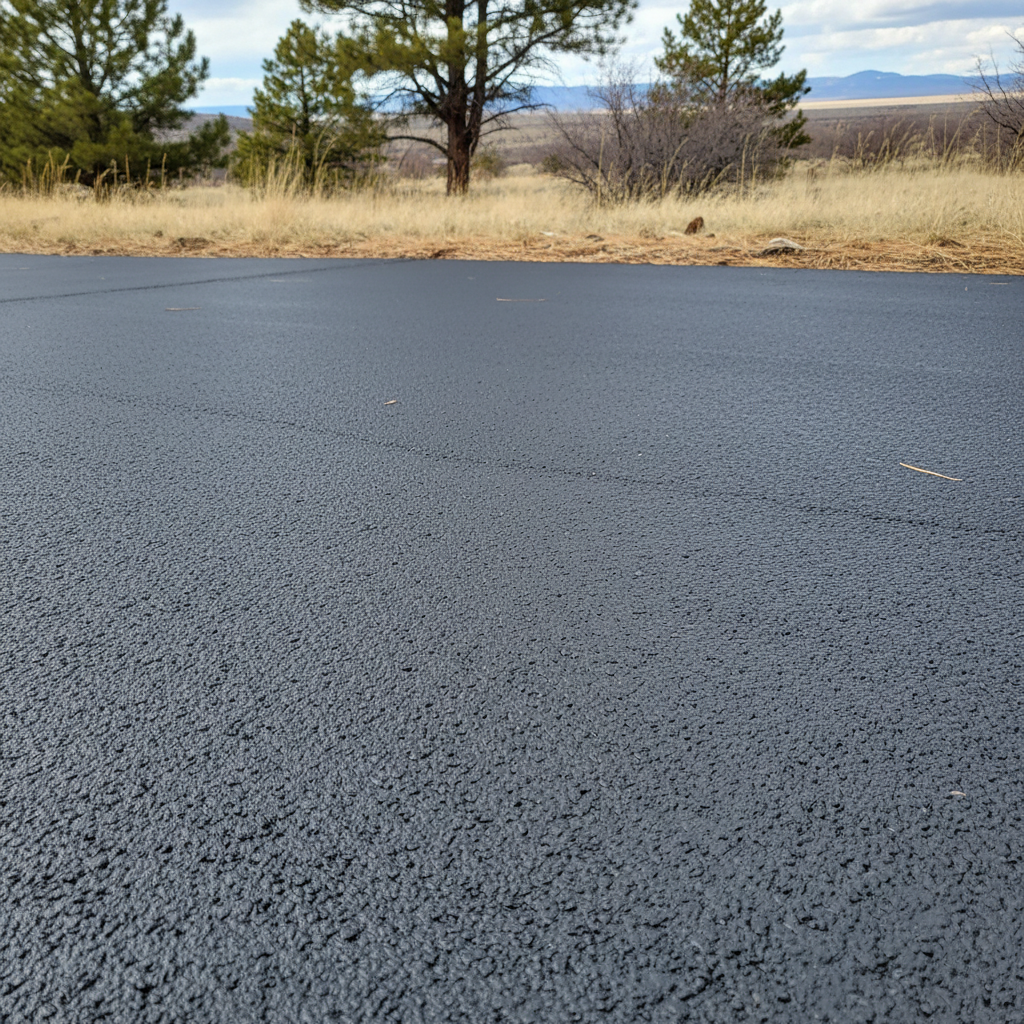
Slurry Coating Your Parker Driveway: DIY or Call a Pro?
So, you're looking at your asphalt driveway and thinking it could use a little refresh, maybe some protection. Slurry coating often comes up as an option. It's a great way to extend your pavement's life, fill in minor surface imperfections, and give it that fresh, dark look again. But can you really do it yourself, or is this one of those jobs best left to someone who does it every day?
Let's talk about what slurry coating actually is. It's not just a fancy name for sealcoating, though the terms sometimes get used interchangeably. Slurry is a mix of asphalt emulsion, aggregate (usually sand), water, and some additives. That sand is key; it gives the coating more body, better traction, and helps fill in those tiny cracks and surface voids that sealcoat alone might not. Think of it like a thicker, more durable skin for your asphalt.
Before You Even Think About Coating
Preparation is everything, and I mean everything. This isn't a step you can skip or rush. If you don't prep right, your beautiful new slurry coat will peel, flake, and just look awful in no time. And that's a waste of your time and money.
- Clean, Clean, Clean: You've got to get your driveway spotless. That means sweeping off all loose dirt, leaves, and debris. Then, you'll want to power wash it thoroughly. Get rid of any oil stains, grease, or chemical spills. If you've got stubborn stains, you might need a degreaser and a stiff brush. Rinse it all off completely. Any residue left behind will prevent the slurry from bonding.
- Weed Patrol: Any weeds growing through cracks need to go. Pull them out, roots and all, and treat the area with a weed killer. You don't want them pushing through your new coating.
- Crack Repair: This is crucial. Slurry coating isn't a structural repair. It's a surface treatment. If you have cracks wider than about 1/4 inch, or any potholes, you need to repair those first. Use a good quality asphalt crack filler. Let it cure completely according to the manufacturer's instructions. Don't try to slurry over deep cracks; it won't hold.
- Edging: You'll want to define your edges. Use painter's tape or some plastic sheeting to protect concrete sidewalks, garage floors, or landscaping you don't want coated.
Honestly, this prep work is probably 70% of the entire job. If you're not up for spending a full day just cleaning and repairing, then you might already be leaning towards calling a pro.
The Application Process: DIY Considerations
Okay, so you've prepped, and your driveway looks ready for surgery. Now for the actual coating. Here's where it gets a bit tricky for the DIYer.
- Material Selection: You can buy slurry products at home improvement stores. They usually come in 5-gallon buckets. Read the instructions carefully. Some might need mixing, some are ready to go. Don't skimp on quality here. Cheaper products often mean less durability.
- Weather is Key: This is huge, especially in Parker. You need a stretch of at least 2-3 days with no rain, and consistent temperatures above 50°F, ideally warmer. Nighttime temps matter too. If it gets too cold, the slurry won't cure properly. Our Colorado sun is great for drying, but sudden afternoon thunderstorms can ruin your work. Check the forecast religiously.
- Application Tools: You'll need a good squeegee or a specialized asphalt brush. Don't use a regular paint roller; it won't apply the material thick enough. You'll likely need to apply two thin coats rather than one thick one. This helps with even coverage and proper curing.
- Technique: This is where experience really pays off. You want an even, consistent layer. Too thick in one spot, too thin in another, and it'll cure unevenly, look blotchy, and wear out faster. It's hard work, too. You're spreading a heavy, viscous material over a large area. It takes muscle and a steady hand.
For a small, simple, flat driveway, a DIY slurry coat is definitely doable if you're patient and meticulous. If your driveway is large, has a steep slope, or complex curves, that's when it starts getting beyond the average homeowner's comfort zone.
After the Coat: Curing and Care
Once you've applied the slurry, you're not done. You need to let it cure. This usually means staying off it for at least 24-48 hours, sometimes longer depending on humidity and temperature. Don't drive on it too soon! You'll leave tire marks and potentially damage the fresh coating. Even walking on it too early can leave marks.
For the first week or so, try to avoid turning your wheels sharply while stationary on the driveway. This can scuff the new surface. And keep an eye on oil leaks from vehicles; clean them up quickly to prevent staining.
When to Call Done Right Asphalt
Look, I'm a big believer in DIY when it makes sense. But there are definitely times when calling a professional like us at Done Right Asphalt is the smarter move for your Parker home. Here's when:
- Large or Complex Driveways: If your driveway is extensive, has multiple turns, or significant slopes, the sheer labor and expertise required for even application become a huge factor. We have the right equipment and crew to get it done efficiently and evenly.
- Significant Damage: If you've got extensive cracking, potholes, or areas of crumbling asphalt, slurry coating isn't enough. You need proper patching and possibly even base repair before a surface treatment. We can assess the underlying issues and recommend the right solution.
- Time Constraints or Physical Limitations: This is a physically demanding job that takes a lot of time. If you don't have the time, or if the physical labor is too much, don't risk injury or a shoddy job.
- Desire for a Flawless Finish: While you can get a decent result yourself, a professional application will almost always look better and last longer. We use commercial-grade materials and techniques that aren't typically available to homeowners. We're also used to dealing with Parker's unique soil conditions and temperature swings, which can affect how materials cure.
- Guaranteed Work: When you hire a pro, you get a warranty. If something goes wrong with the application, we'll fix it. If you do it yourself, you're on your own.
Ultimately, slurry coating can be a great way to protect your investment. If you've got a small, well-maintained driveway and you're ready for a weekend of hard work and meticulous attention to detail, go for it. But if you're looking for a durable, professional finish without the hassle and risk, give us a call. We're happy to give you an honest assessment and a quote.