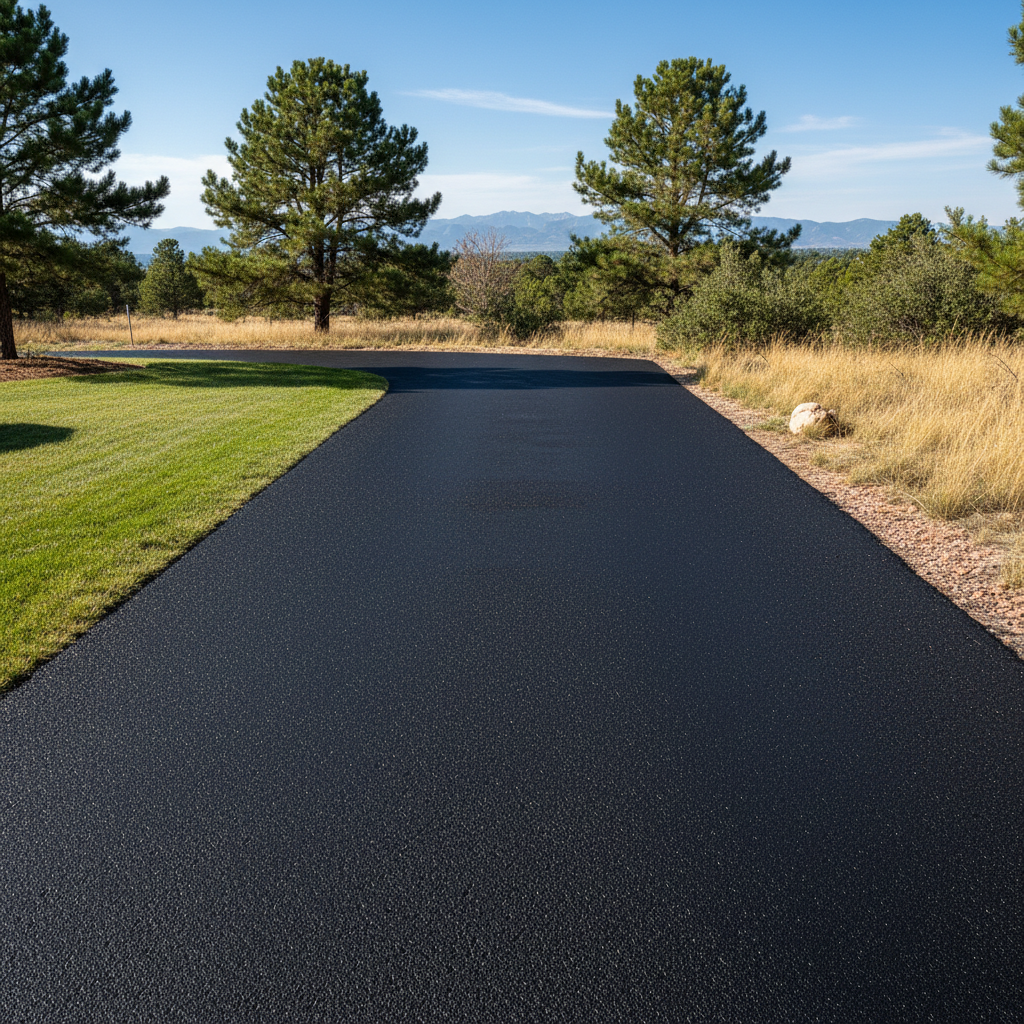
So, you've invested in sealcoating for your driveway or parking lot here in Parker. That's a smart move. It protects your asphalt from the sun, water, and chemicals, keeping it looking good and preventing expensive repairs down the road. But the job isn't done just because the sealcoat is dry. You've got to take care of it, especially with our crazy Colorado weather. Here's what I tell all my clients about keeping that fresh sealcoat in top shape.
Extending Your Sealcoat's Life: It's All About Protection
The first few days after sealcoating are crucial. You'll want to stay off it completely for at least 24-48 hours, sometimes longer if it's cooler or humid. We'll give you a specific timeframe when we finish up, but trust me, patience here pays off. Driving on it too soon can leave tire marks, or worse, pull up the fresh coating. Once it's cured, though, there are still things you can do.
- Keep it Clean: Don't let oil, gas, or other automotive fluids sit on your asphalt. They can break down the sealcoat. If you see a spill, clean it up quickly with a mild detergent and water.
- Watch the Edges: Snowplows and shovels can be rough on asphalt, especially the edges. Be careful when clearing snow. If you've got a plow service, make sure they know to lift their blade slightly when going over your sealcoated surface.
- Avoid Heavy Loads: Try not to park heavy equipment or RVs on your sealcoated surface for extended periods, especially in the heat. The weight combined with high temperatures can cause indentations or even cracking.
- Trim Those Trees: Overhanging branches can drop sap, leaves, and debris that can stain or degrade your sealcoat. Keeping them trimmed back helps keep your surface cleaner.
Regular Maintenance: Simple Steps, Big Impact
Beyond the initial cure time, ongoing maintenance isn't rocket science, but it makes a huge difference. Think of it like taking care of your car – a little regular attention keeps it running smoothly.
First off, just keep it swept. Dirt, gravel, and sand can act like sandpaper on your sealcoat when cars drive over it, slowly wearing it down. A quick sweep or blowing it off with a leaf blower a couple of times a month, especially after windy days, helps a lot. Here in Parker, with our expansive soil, sometimes you'll get a bit of dirt blowing around, so regular cleaning is key.
Also, keep an eye out for weeds. If you see any popping up through cracks, pull them out. Weeds can grow surprisingly strong and widen small cracks, letting water get underneath your asphalt. That's a recipe for bigger problems down the line, especially with our freeze-thaw cycles.
Warning Signs: When to Pay Closer Attention
Your sealcoat is designed to protect, but nothing lasts forever. Knowing what to look for can help you catch small issues before they become big, expensive ones.
- Fading Color: If your deep black sealcoat starts looking dull gray, it's a sign it's wearing thin. It's not just cosmetic; the protective properties are diminishing.
- Small Cracks Reappearing: If you had cracks filled before sealcoating and they start showing through again, or new hairline cracks appear, it means the sealcoat isn't providing enough flexibility or protection anymore.
- Potholes or Depressions: These are bigger problems, indicating water has gotten under the asphalt and eroded the base. Sealcoat won't fix these; they need repair.
- Loose Aggregate: If you see small stones or gravel coming loose from the asphalt surface, it means the binder is failing, and the sealcoat might not be adhering properly or is completely worn through.
When to Call a Professional: Don't Wait Too Long
You're not expected to be an asphalt expert, that's my job. But knowing when to pick up the phone can save you a lot of grief. If you see any of those warning signs, especially fading or cracking, it's time to give us a call at Done Right Asphalt.
Typically, sealcoat needs reapplication every 2-3 years, depending on traffic, sun exposure, and how well you've maintained it. If you're seeing significant wear before that timeframe, or if you notice any structural issues like potholes or large cracks, don't put it off. Water is the enemy of asphalt, and once it gets in, it causes damage quickly, especially when it freezes and expands. We can come out, assess the situation, and let you know what's needed, whether it's another coat of sealer or some targeted repairs. Catching things early always saves you money in the long run.