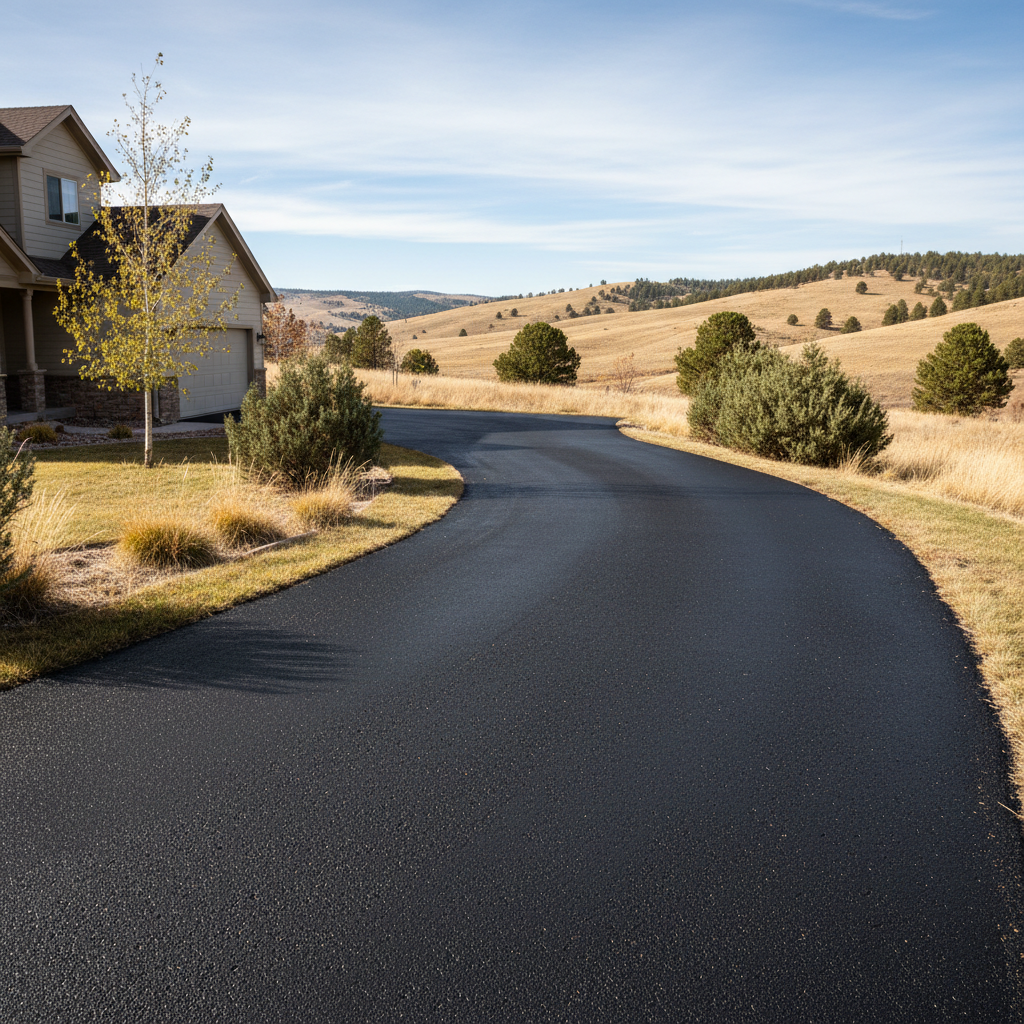
You just had your asphalt driveway sealcoated, and it looks fantastic, right? That rich, dark black really makes your home pop. But that fresh look isn't just for curb appeal; sealcoating is a protective layer, like sunscreen for your pavement. The big question I get asked is, "How do I make this last?" It's a fair question, especially with the kind of weather we get here in Parker.
Extending Your Sealcoat's Life: The First Few Days Are Key
The first 24-48 hours after we've applied sealcoat are crucial. You've got to give it time to cure properly. That means no driving, no parking, no turning the kids loose on their bikes. I know it's tempting to get back to normal, but trust me, driving on it too soon is the quickest way to ruin the finish and compromise its protection. Think of it like fresh paint; you wouldn't touch it before it's dry.
After that initial period, try to avoid sharp turns with your tires, especially in the same spot, for about a week. This is called 'power steering marks,' and they can scuff the new sealcoat. It's not a huge deal if it happens once, but repeated stress can wear it down prematurely.
Regular Maintenance for Lasting Protection
Once your sealcoat is fully cured, ongoing maintenance isn't rocket science, but it does make a difference. Here's what you should be doing:
Keep it Clean: Sweep off dirt, leaves, and debris regularly. Organic matter can hold moisture against the asphalt, and over time, that's not good. Plus, gravel and small stones can grind away at the surface when driven over.
Address Spills Immediately: Oil, gas, and other automotive fluids are asphalt's worst enemy. They'll break down the binder in the asphalt and eat through your sealcoat. If you see a spill, clean it up with an absorbent material like cat litter or sand, then scrub with a mild detergent and rinse thoroughly.
Watch for Weeds: Weeds and grass love to push through cracks. Pull them out as soon as you see them. If they get established, their roots can widen small cracks into big problems.
Crack Sealing: This is probably the most important thing you can do between sealcoating applications. Even with sealcoat, small cracks can appear. Don't let them sit. Water is the biggest destroyer of asphalt, and once it gets into those cracks and under the surface, especially with our freeze-thaw cycles here in Colorado, it's game over. Those little cracks become potholes in no time. We recommend crack filling as needed, usually annually, to keep water out.
Warning Signs: When to Pay Closer Attention
Your driveway will tell you when it needs attention. You just have to know what to look for:
Fading Color: The rich black starts to turn gray. This is a clear sign the sealcoat is wearing thin and losing its protective qualities against UV rays and oxidation.
Increased Aggregate Exposure: You start seeing more of the small stones (aggregate) in the asphalt mix poking through. The sealcoat should cover and bind these together. If they're showing, the top layer is gone.
New Cracks or Potholes: Even if you've been good about crack filling, new ones can pop up. Don't ignore them. As I mentioned, water infiltration is the enemy.
Raveling: This is when the surface starts to look rough and crumbly, with small pieces of asphalt coming loose. It means the binder is failing, and the surface is deteriorating.
When to Call a Professional (Like Done Right Asphalt)
While you can handle the day-to-day stuff, some things are best left to the pros. You should definitely give us a call at Done Right Asphalt if:
It's Been 2-3 Years: For most residential driveways in Parker, a fresh sealcoat every 2-3 years is ideal. This is a general guideline, and heavy traffic or harsh sun exposure might mean you need it a little sooner.
You See Significant Cracking: If you've got cracks wider than about a quarter-inch, or a network of them (alligator cracking), it's beyond a simple DIY fix. We can assess the damage and recommend the right repair.
Potholes Form: Potholes mean the underlying structure of your asphalt has failed. These need professional repair to prevent further damage and ensure a smooth, safe surface.
Drainage Issues: If water is pooling on your driveway after a rain or snowmelt, it's a problem. Proper drainage is critical for asphalt longevity. We can often help identify and fix these issues.
Taking care of your sealcoated driveway isn't just about making it look good; it's about protecting your investment. Our Colorado climate, with its intense sun, heavy snow, and dramatic temperature swings, is tough on asphalt. A little proactive maintenance goes a long way in keeping your driveway strong and beautiful for years to come.