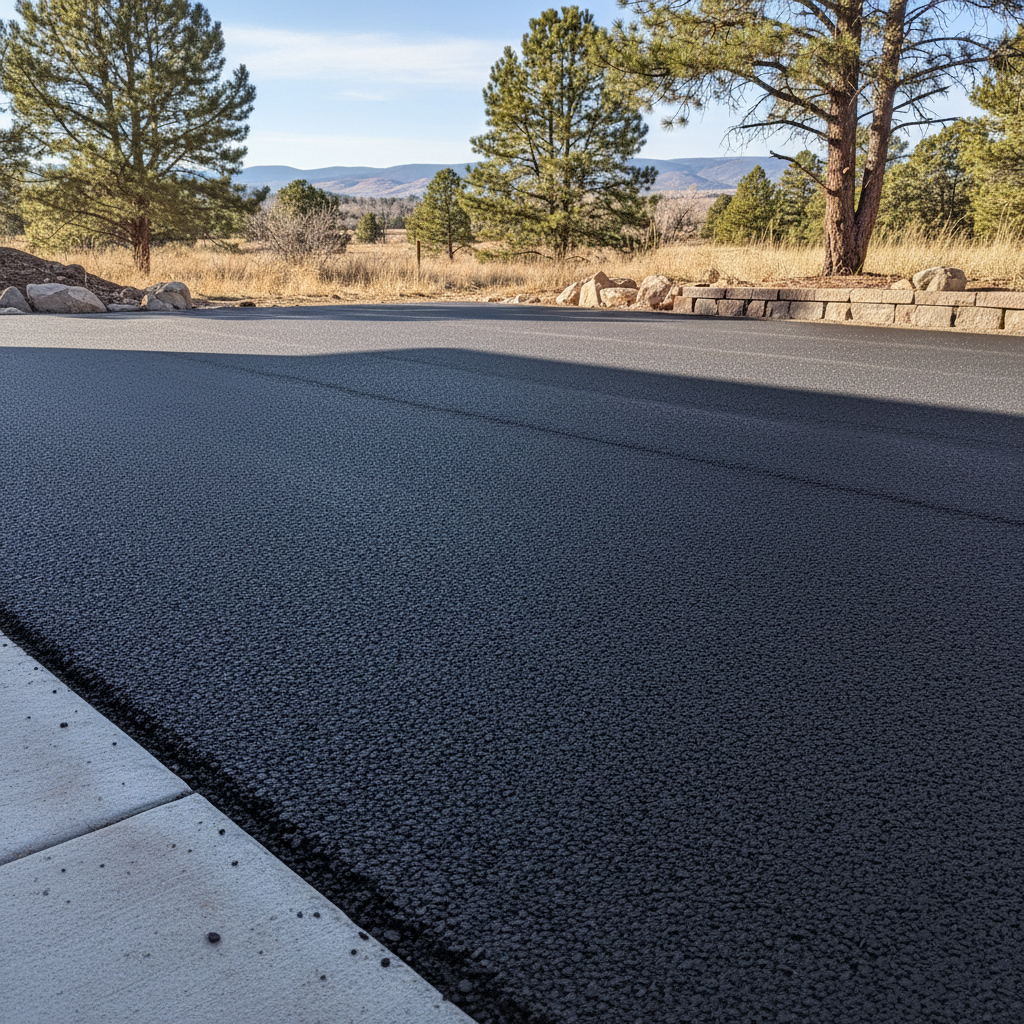
So, you're looking at that old, cracked-up driveway and thinking, "It's time." A new driveway can totally transform the look of your home, boost curb appeal, and frankly, just make coming home a lot nicer. But before you grab a shovel or call the first number you see, let's talk about what goes into a successful driveway paving project here in Parker.
Before the Shovel Hits the Dirt: Planning Your Driveway
This is where you can do a lot of the legwork yourself, and honestly, it'll save you headaches and money down the road. Don't skip this part.
Know Your Goals: Are you just replacing an old asphalt driveway with new asphalt? Or are you switching from gravel to pavement? Maybe you're expanding it? These decisions impact everything from cost to drainage.
Check Local Regulations: This is huge. Parker has specific rules about setbacks from property lines, impervious surface limits (how much of your lot can be paved), and even drainage requirements. You don't want to pave a beautiful new driveway only to find out it's not up to code and you have to tear it up. A quick call to the Town of Parker's planning department can clear a lot of this up.
Think About Drainage: Water is the enemy of any pavement. Where will the water go when it rains or when the snow melts? You absolutely need to make sure your driveway slopes away from your house and doesn't direct water onto your neighbor's property. This might mean adding a small swale or a French drain. If you're not sure, get a professional opinion before any dirt moves.
Budget Realistically: Get some quotes. Paving isn't cheap, but it's an investment. Understand what's included in those quotes – excavation, base material, asphalt thickness, compaction, etc. Don't just go for the lowest number without knowing what you're getting.
During the Project: DIY vs. Pro
Alright, this is where the rubber meets the road, literally. There's a big difference between what you can reasonably DIY and what absolutely needs a professional touch.
What You Can (Maybe) DIY:
Demolition of an old asphalt driveway: If you've got a small, thin asphalt driveway that's already in pieces, and you're comfortable with a jackhammer or a really strong pickaxe, you might be able to break it up and haul it away yourself. Just remember, asphalt is heavy, and disposal isn't always easy or cheap.
Minor excavation for a gravel base: For a very small area, you might be able to dig out enough for a gravel base. But we're talking small, like a short walkway, not a full driveway. You need to get the depth right, and the subgrade needs to be properly sloped and compacted.
When to Call a Pro (Almost Always):
Major excavation and grading: This is critical. You need heavy equipment to properly excavate, establish the right slope for drainage, and achieve a consistent subgrade. Trying to do this with a shovel and a wheelbarrow for a full driveway is a recipe for disaster. Uneven subgrade means an uneven driveway that won't last.
Laying and compacting the base: The base material (usually crushed aggregate) is the foundation of your driveway. It needs to be laid in layers, moistened, and compacted with a vibratory roller. Without a solid, properly compacted base, your asphalt will crack and sink. You can't get the necessary compaction with a hand tamper.
Asphalt paving itself: This is 100% a job for professionals. Asphalt needs to be laid hot, at a precise thickness, and compacted immediately with heavy rollers. It cools fast, and if you don't have the right equipment and crew, you'll end up with a lumpy, poorly compacted, and short-lived driveway. Here in Parker, with our freeze-thaw cycles, a poorly laid asphalt driveway will fall apart in no time. Plus, getting the right material and equipment is a huge investment for a one-off job.
Look, I'm a local guy, and my company, Done Right Asphalt, has been doing this for years. I've seen plenty of homeowners try to save a buck by doing the paving themselves, and almost every time, they end up calling us to fix or redo it. It's just not worth the headache or the wasted money. Leave the heavy lifting and the hot asphalt to the folks with the right tools and experience.
After the Paving: Protecting Your Investment
Once your new driveway is in, you're not entirely done. You've got to take care of it.
Curing Time: Stay off it! Asphalt needs time to cure and harden. Your contractor will tell you how long, but generally, it's 2-3 days for light traffic and a week or more for heavy vehicles. Don't park your RV on it the day after it's paved.
Sealcoating: This is like sunscreen for your driveway. About 6-12 months after paving, you'll want to get it sealcoated. This protects the asphalt from UV rays, water penetration, and chemicals. You'll need to reapply every 2-3 years, depending on traffic and our harsh Colorado weather.
Watch for Cracks: Even with the best paving, small cracks can appear over time. Address them quickly with crack filler. Don't let them grow, because water will get in, freeze, expand, and turn a small crack into a big pothole.
Keep it Clean: Sweep off dirt and debris regularly. Oil and gas spills should be cleaned up immediately, as they can break down the asphalt binder.
A new driveway is a big project, but with the right planning and knowing when to bring in the pros, you'll have a smooth, beautiful surface that lasts for years. Don't hesitate to ask questions, and make sure you're comfortable with your contractor. It makes all the difference.