Planning Your Parker Parking Lot: What You Need to Know
So, you're looking at a new parking lot for your business or HOA property here in Parker. That's a big investment, and you want it done right. It's not just about throwing down some asphalt; there's a whole process to it, and knowing what to expect can save you a lot of headaches and money down the line. I've seen plenty of projects, good and bad, and I can tell you that solid planning makes all the difference.
The Timeline: How Long Does This Really Take?
Let's talk timelines. This isn't an overnight job, especially for a parking lot. From your first call to the final stripe, you're usually looking at a few weeks to a couple of months, depending on the size and complexity of the project, and of course, the weather. Here's a rough breakdown:
Initial Contact & Site Visit (1-2 weeks): You call us, we schedule a time to come out. We'll walk the property, discuss your needs, and take measurements. This is where we figure out the scope of work – new construction, mill and pave, overlay, etc.
Proposal & Contract (1-2 weeks): We put together a detailed proposal for you. You review it, ask questions, and once you're comfortable, we sign a contract. Don't rush this part. Make sure everything is clear.
Scheduling & Permitting (2-4 weeks): Once the contract's signed, we'll get you on the schedule. For larger commercial projects, there might be permits required from the Town of Parker or Douglas County, especially if you're changing drainage or adding significant impervious surface. We handle that, but it adds time.
Material & Equipment Mobilization (1 week before start): We order the asphalt, arrange for equipment, and get our crew ready.
Construction Phase (1 day to 2 weeks, depending on size): This is the actual work. Demolition, grading, base prep, paving, and striping. A small lot might be a couple of days; a large one could be a week or two of active work.
Curing Time (2-7 days): After paving, the asphalt needs to cure. You can usually drive on it lightly after a day or two, but it's best to keep heavy traffic off it for a few days to a week. We'll give you specific instructions.
Remember, Colorado weather plays a big role. Sudden snow in April or afternoon thunderstorms in July can push schedules back. We always try to be realistic with our estimates.
What to Expect During the Paving Process
When the crew shows up, things are going to get busy. Here's what you'll see:
Noise and Dust: There's no way around it. Heavy equipment is loud, and when we're excavating or milling, there will be dust. We do our best to minimize it, but it's part of the job.
Restricted Access: We'll need to close off sections of the parking lot, or even the entire thing, for periods of time. We'll work with you to plan this to minimize disruption to your business or residents. Communication is key here.
Heavy Equipment: You'll see excavators, graders, pavers, rollers, and dump trucks. Our guys are professionals, but it's a construction site. Keep a safe distance.
Smell: Fresh asphalt has a distinct smell. It dissipates quickly, but it's noticeable while we're working.
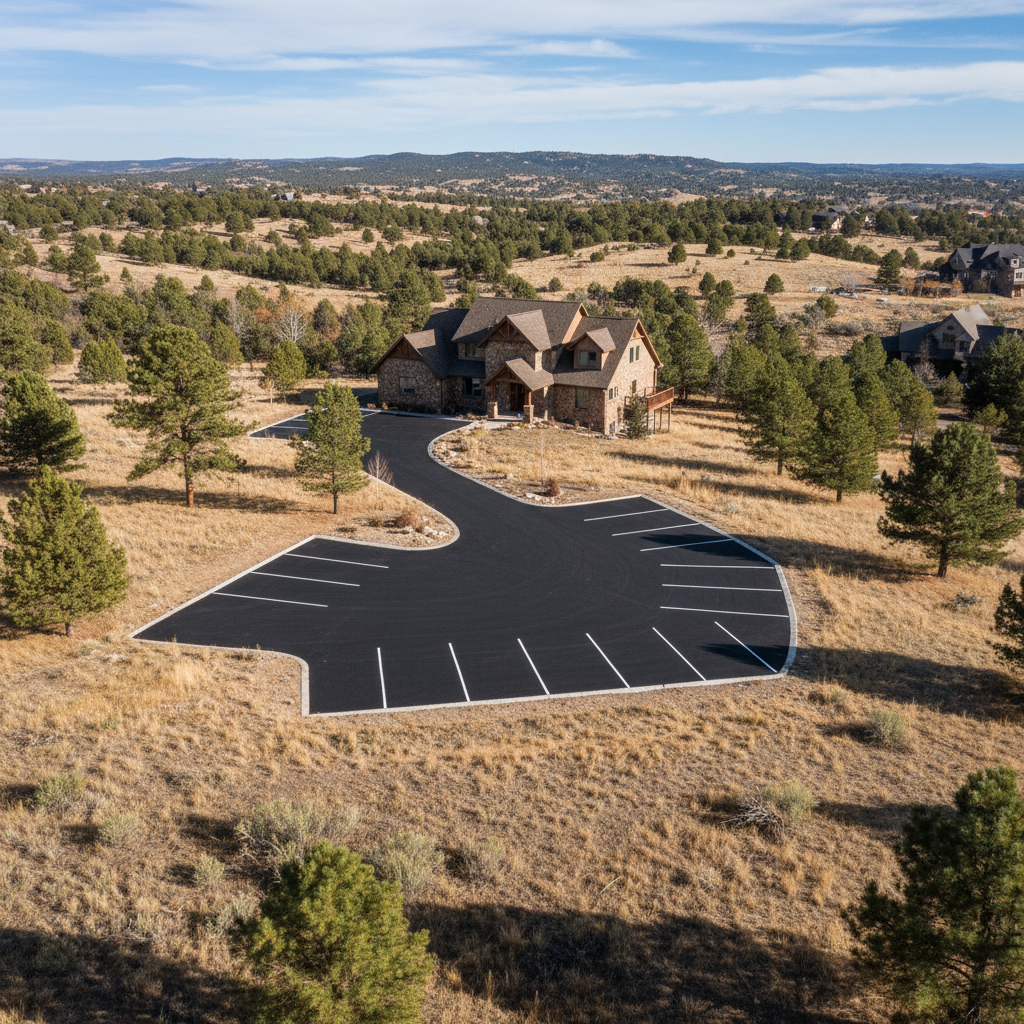
A Transformed Space: When it's all done, you'll have a smooth, clean, and well-marked parking lot. It's a huge improvement, both aesthetically and functionally.
How to Prepare Your Property for Paving Day
A little prep on your end goes a long way:
Clear the Area: Make sure the entire paving area is clear of vehicles, equipment, trash bins, and anything else that might be in the way. We'll give you a heads-up on exactly what needs to be moved.
Inform Others: If it's a business, let your customers know about the upcoming work and any access changes. For an HOA, communicate with residents well in advance.
Mark Sprinklers/Utilities: If you have any shallow sprinkler heads, invisible dog fences, or other buried utilities that aren't marked, point them out to us. We're careful, but it's better to be safe than sorry.
Plan for Drainage: We'll discuss this during the initial visit, but think about where water currently goes and if you have any standing water issues. We can often improve drainage with proper grading, which is especially important with our clay soils here in Parker.
Emergency Contacts: Make sure we have a primary and secondary contact person for any questions or issues that come up during the project.
Crucial Questions to Ask Before Signing a Contract
Don't just go with the cheapest bid. Ask these questions:
What's included in the price? Get a detailed breakdown. Does it include excavation, base material, asphalt layers, striping, and clean-up? What about traffic control?
What kind of warranty do you offer? A reputable company like Done Right Asphalt will stand behind their work. Understand what's covered and for how long.
Are you licensed and insured? This is non-negotiable. Ask for proof of liability insurance and workers' compensation. You don't want to be on the hook if someone gets hurt or property is damaged.
Can you provide references? Ask for contact information for a few recent commercial or HOA projects they've completed. Call them!
What's your plan for drainage? This is a big one. Improper drainage leads to premature pavement failure. How will they ensure water flows away from your building and doesn't pool?
What's the thickness of the asphalt? Don't just accept