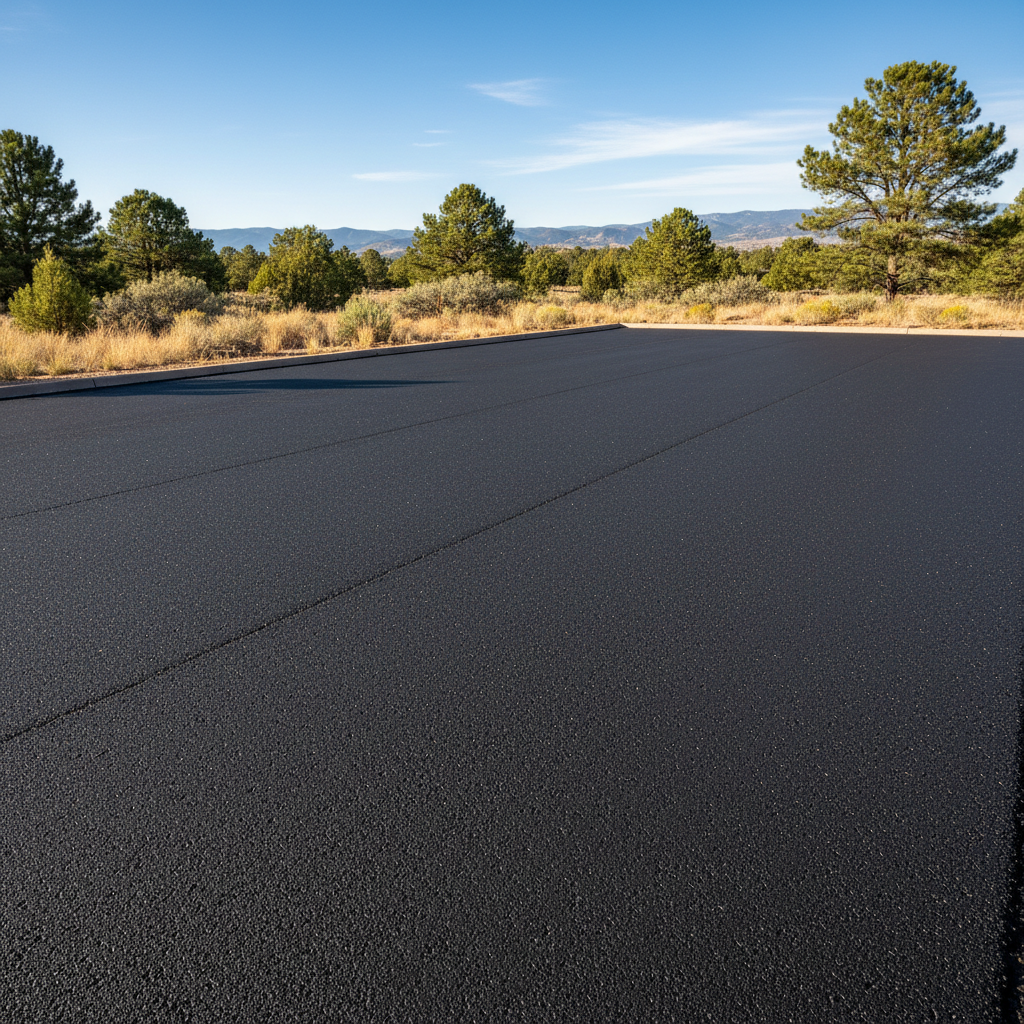
Thinking about putting in a new parking lot for your home, or maybe you're looking at a big repair job on an existing one? I get a lot of calls from folks right here in Parker, CO, with questions about their parking areas. It's not just commercial properties that need good pavement; plenty of homes, especially those with larger lots, guest houses, or even just extensive RV parking, need solid, reliable asphalt. Let's tackle some of the most common questions I hear.
How much does a new asphalt parking lot cost?
This is always the first question, and it's a tough one to give a flat answer to because it depends on so many things. We're talking about square footage, obviously, but also the existing conditions of the ground. Are we building on virgin soil, or do we have to rip out old concrete or asphalt first? That demolition and hauling away adds to the cost. Then there's the base material – what kind of gravel, how thick does it need to be? The subgrade here in Parker can be pretty varied, from stable sandy loam to expansive clay, which means we might need more or less aggregate to create a stable foundation. The thickness of the asphalt itself plays a big role, too. A parking area for light residential use might get by with 2-3 inches of asphalt over a solid base, but if you're parking heavy trucks or RVs regularly, you'll need 3-4 inches, maybe even more, and a beefier base. Drainage considerations, any special curbing, or even striping for multiple vehicles also factor in. Look, for a typical residential parking area, you're probably looking at anywhere from $3 to $7 per square foot, but that's a really broad estimate. The only way to know for sure is to get a professional out there for an estimate.
What's the typical lifespan of a residential asphalt parking lot?
You're investing good money, so you want it to last, right? A well-installed asphalt parking lot, properly maintained, should give you 15 to 20 years, easily. Some last even longer. The key phrase there is 'properly maintained.' That means regular sealcoating every 2-3 years, fixing cracks as they appear, and making sure your drainage is doing its job. If water sits on your asphalt, it's going to break down a lot faster. Also, the quality of the initial installation is huge. If the base isn't prepped right, or the asphalt isn't compacted properly, you're going to see issues much sooner, no matter how much you sealcoat. It's like building a house; the foundation has to be solid.
Can you pave over an existing concrete or gravel parking area?
Sometimes, but it's not always the best idea. Paving over old concrete usually isn't recommended. Concrete moves differently than asphalt, and any cracks or expansion joints in the concrete will eventually reflect through your new asphalt layer. You'll get what we call 'reflection cracking,' and it's a headache. It's almost always better to remove old concrete entirely. As for gravel, that's a different story. If you've got a well-established, stable gravel parking area with good drainage, we can often use that as a sub-base. We'd likely need to add more aggregate, grade it properly, and compact it thoroughly to create a solid foundation for the asphalt. It can save you some money on excavation and base material, but it has to be done right. We'll always assess the existing gravel to make sure it's up to snuff before we consider paving over it.
What kind of preparation is involved before paving?
Preparation is everything. Seriously, it's probably 70% of the job. First, we clear the area – any old pavement, vegetation, rocks, whatever's in the way. Then, we get to the subgrade. We'll excavate down to a stable soil layer, making sure it's properly sloped for drainage. This is critical in Parker, especially with our freeze-thaw cycles; you don't want water sitting under your asphalt and freezing, causing heaving. Once the subgrade is prepped, we bring in the aggregate base. This is usually crushed rock or gravel. We lay it down in layers, compacting each layer to a specific density. The thickness of this base depends on the soil conditions and how much weight your parking lot needs to support. We aim for a solid, unmoving foundation. Good prep means your asphalt will last, bad prep means you'll be calling me for repairs way too soon.
What about drainage? Is that really that important for a parking lot?
Absolutely, 100% yes. Drainage is paramount. Water is asphalt's worst enemy. If water sits on your parking lot, it'll start to penetrate the surface, soften the base, and lead to potholes and cracks. If it gets under the asphalt and freezes, it'll cause heaving and cracking. We design the grading of your parking lot to ensure water flows away from the paved surface and any structures, directing it to appropriate drainage areas like swales, storm drains, or permeable surfaces. Sometimes this means a slight slope, other times it might involve installing catch basins or French drains. We consider the surrounding landscape, too. You don't want runoff from your parking lot eroding your landscaping or pooling in your yard. It's all part of the planning process to make sure your investment lasts.
How long after paving can I use my new parking lot?
Patience is a virtue, especially with new asphalt. Generally, you should wait at least 24 to 48 hours before driving or parking vehicles on a newly paved asphalt surface. This gives the asphalt time to cool and harden properly. However, the asphalt will continue to cure and gain strength for several months. For the first week or so, try to avoid parking in the exact same spot every day, and be careful with sharp turns or heavy vehicles. Things like turning your steering wheel while stationary can scuff or damage the fresh asphalt. Heavy equipment, like an RV or a big trailer, should probably wait a bit longer, maybe a week, before parking on it for an extended period. We'll give you specific instructions once the job is done, tailored to your particular project and the weather conditions at the time.
Why should I choose a local company like Done Right Asphalt?
Look, you've got options, but working with a local outfit like Done Right Asphalt just makes sense, especially here in Parker. We're not some out-of-state crew that blows in and out. We live and work here. We understand the specific challenges of our Colorado climate – the intense sun, the freeze-thaw cycles, the sometimes tricky soil conditions you find in places like Stonegate or Pradera. We know what works and what doesn't in this environment. We're invested in our community and our reputation. You're not just a job number; you're our neighbor. Plus, if you have any questions or issues down the road, we're right here. That local knowledge and accountability? You can't put a price on that.