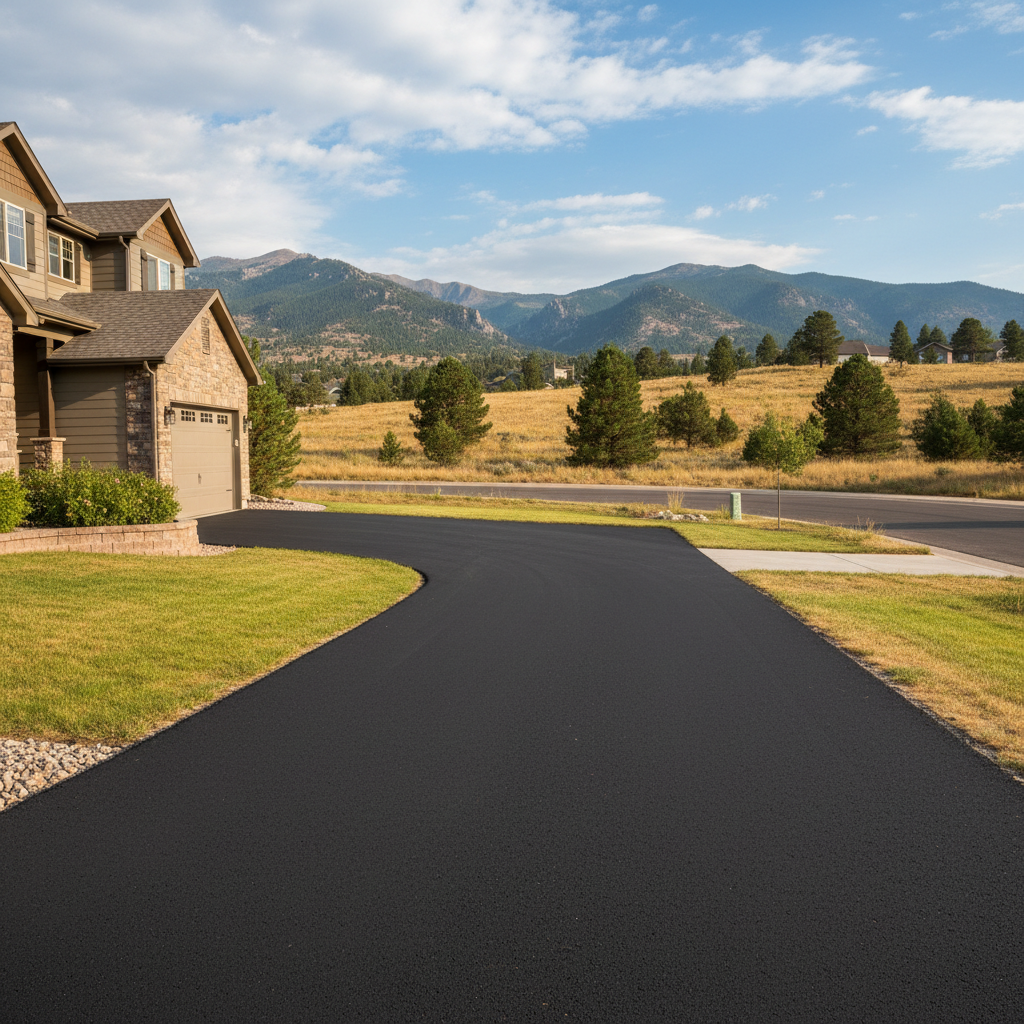
When's the best time to pave your driveway here in Parker? It's a question I get asked a lot, and for good reason. Our Colorado weather isn't always straightforward, and timing really does make a difference for how long your asphalt will last and how well it cures.
Why Parker's Weather Matters for Paving
You might think asphalt is just asphalt, but the temperature and moisture conditions during installation are huge. We're not just throwing down hot mix; we're laying a material that needs to cool and compact properly to achieve its full strength and durability. If it's too cold, the asphalt cools too fast, making it hard to compact tightly. If it's too hot, it can stay soft too long, making it prone to rutting during the initial cure.
Then there's our freeze-thaw cycles. We get a lot of those here, especially in the spring and fall. Water seeping into tiny cracks, freezing, expanding, and then thawing again is a major culprit for pavement damage. Getting your asphalt installed right, with proper drainage and compaction, is your first line of defense against that.
The Best Time to Pave in Parker
Generally speaking, the sweet spot for asphalt paving in Parker is late spring through early fall. Think May, June, July, August, and early September. Here's why:
- Consistent Warm Temperatures: We're looking for ground temperatures that are consistently above 50°F, and ideally, air temperatures that aren't dipping too low overnight. This allows the asphalt to cure slowly and thoroughly, creating a stronger, more flexible surface.
- Lower Chance of Rain: While we can get summer thunderstorms, these months typically offer longer stretches of dry weather. Paving on a dry sub-base is critical. Water trapped underneath can cause all sorts of problems down the line, including premature cracking and potholes.
- Optimal Curing: The warm, dry conditions let the asphalt oils oxidize and harden properly. This process is what gives your driveway its long-term resilience.
We've done jobs in October, and even early November, but you're really pushing it with the temperature drops. If we get an early cold snap or a surprise snow, it can delay things or impact the quality. It's just not worth the risk if you can avoid it.
Weather Conditions to Avoid
Just as important as knowing when to pave is knowing when not to pave. If you're talking to a contractor who's willing to lay asphalt in these conditions, that's a red flag.
- Freezing Temperatures: Absolutely no paving when the ground is frozen or when temperatures are consistently below 45-50°F. The asphalt will cool too quickly, won't compact correctly, and you'll end up with a weak, brittle surface that won't last.
- Heavy Rain: Paving in the rain is a big no-no. It compromises the sub-base, washes away tack coats, and leads to poor adhesion and premature failure. We'll always reschedule if there's significant rain in the forecast.
- Extreme Heat (sometimes): While warm is good, extreme heat (think 95°F+) can also be tricky. The asphalt can stay too soft for too long, making it susceptible to damage from vehicles or even heavy foot traffic right after installation. It requires experienced crews to manage, but it's generally less problematic than cold weather.
Protecting Your Investment Year-Round
Once your driveway is in, you want to keep it looking good and performing well. Here's what I tell folks:
- Give it Time to Cure: After we're done, stay off it for at least 24-48 hours, sometimes longer depending on the weather. And be gentle with heavy vehicles for the first week or two.
- Sealcoating: This is huge. A good sealcoat every 2-3 years protects your asphalt from UV rays, water penetration, and oil spills. It's like sunscreen for your driveway.
- Crack Sealing: As soon as you see cracks, get 'em filled. Don't wait. Those little cracks are entry points for water, and water is asphalt's worst enemy, especially with Parker's frequent freeze-thaw cycles. If you live in an area like Stonegate or The Timbers, where you might have older, more established trees, their roots can also contribute to cracking over time, so keep an eye out.
- Proper Drainage: Make sure water isn't pooling on your driveway. If it is, that's a problem that needs addressing, as standing water significantly shortens asphalt life.
- Snow Removal: Be careful with plows and shovels. Don't dig into the asphalt. Use a plastic shovel or keep your plow blade slightly raised.
Getting your asphalt paving done at the right time of year, with a crew that understands our local climate, makes all the difference. We've seen it all here at Done Right Asphalt, and we're always happy to talk through your specific project and the best timing for it. Don't hesitate to reach out if you've got questions about your driveway.