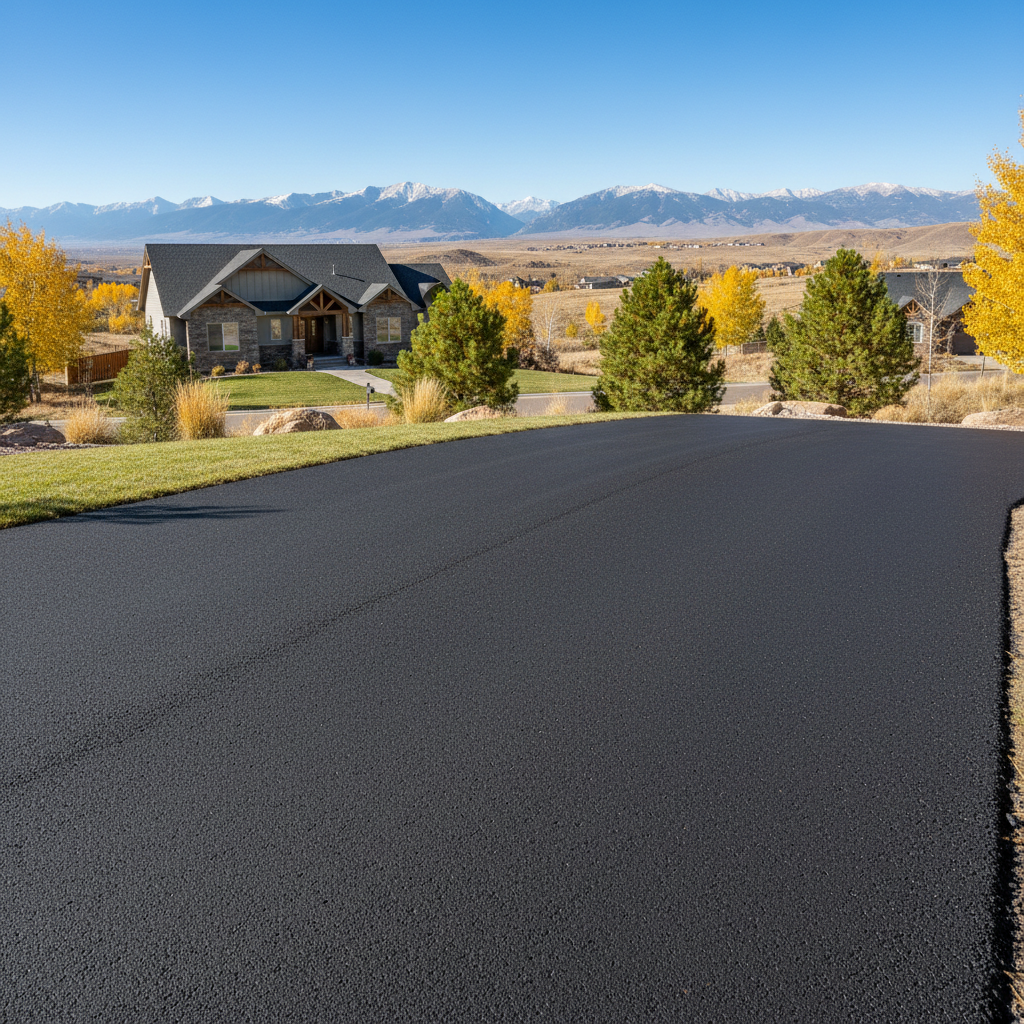
You just had a beautiful new driveway installed, or maybe you've got one that's still in pretty good shape. Either way, you want it to last, right? Down here in Parker, our driveways take a beating. Between the scorching summer sun, the heavy snows, and those wild temperature swings we get, it's a wonder anything holds up. But with a little attention, you can really extend the life of your asphalt or concrete, saving yourself a lot of headaches and money down the road.
Regular Maintenance: Your Best Defense
Think of your driveway like your car – it needs regular check-ups to stay healthy. Here's what I tell folks:
Keep it Clean: Sounds simple, but it's crucial. Dirt, gravel, and debris can hold moisture against the surface, leading to degradation. Plus, oil and gas spills? Get 'em cleaned up fast. They'll eat away at asphalt especially. A good sweep or power wash (on a low setting, mind you, and not too close) a few times a year makes a big difference.
Sealcoating (for Asphalt): This is your driveway's sunscreen and rain jacket all in one. For asphalt, a quality sealcoat every 2-3 years protects against UV rays, water penetration, and oxidation. It keeps the binder in your asphalt flexible, preventing it from drying out and cracking. It also gives it that fresh, dark look. Don't skip this one.
Crack Sealing: This is probably the most important thing you can do. Even small cracks, if left alone, will grow. Water gets in, freezes, expands, and then you've got a pothole brewing. Fill those cracks with a good quality crack filler as soon as you see them. It's a cheap fix now, a very expensive one later.
Edge Protection: The edges of your driveway are often the weakest points. If you've got a gravel shoulder, keep it built up to support the asphalt or concrete edge. Don't let heavy vehicles drive off the edge, as that's a surefire way to break it down.
Drainage Check: Make sure water isn't pooling on your driveway. Proper drainage is key. If you see standing water after a rain or snowmelt, that's a problem. It means water is sitting there, soaking in, and weakening the sub-base.
Warning Signs You Can't Ignore
Your driveway will usually tell you when it's hurting. You just have to know what to look for:
Cracks: We talked about these. Small hairline cracks are normal with age, but if they're getting wider, deeper, or forming patterns like alligator skin, you've got a bigger issue. Alligator cracking, especially, means the base underneath is failing.
Potholes: These are beyond a simple crack. They're usually a sign that water has gotten under the surface and eroded the base. Don't wait on these; they'll only get bigger and more dangerous.
Fading/Discoloration: For asphalt, if it's looking gray instead of black, it's oxidizing. That means the binder is drying out and losing its flexibility. Time for a sealcoat.
Pooling Water: Again, if water isn't running off, it's going to cause damage. This could be a sign of settling or an issue with the original grading.
Raveling: This is when the aggregate (the stones in the asphalt) starts to come loose from the surface. It makes the surface rough and indicates the binder is failing.
Heaving or Sinking: If parts of your driveway are noticeably higher or lower than others, that's a serious sub-base issue. This can happen a lot in Parker with our expansive clay soils if the base wasn't properly prepared.
When to Call a Professional
Look, some things you can DIY, like sweeping or filling a small crack. But there are times you really need to bring in the pros. Don't try to tackle these yourself unless you've got the right equipment and experience:
Extensive Cracking: If you've got widespread cracking, especially alligator cracking, you're likely looking at more than just a surface fix. You might need patching or even a full overlay.
Large Potholes: Filling a big pothole properly requires specialized equipment to cut out the damaged area and compact new material correctly. A quick pour-and-go fix won't last.
Significant Drainage Issues: If your driveway isn't draining right, a professional can assess the grading and recommend solutions, which might involve regrading or adding drainage systems.
Heaving or Sinking: These are major structural problems that require excavation and repair of the sub-base. This is definitely a job for someone who knows what they're doing.
Sealcoating: While some homeowners do it themselves, a professional sealcoat application is usually more even, durable, and uses higher-quality materials. It just looks better and lasts longer.
At Done Right Asphalt, we've seen it all. We're here in Parker, and we know exactly what our local climate does to driveways. If you're seeing any of those warning signs, or if you just want to make sure your driveway is getting the right kind of care, give us a call. A little proactive maintenance goes a long way in keeping your driveway looking good and functioning safely for years to come.