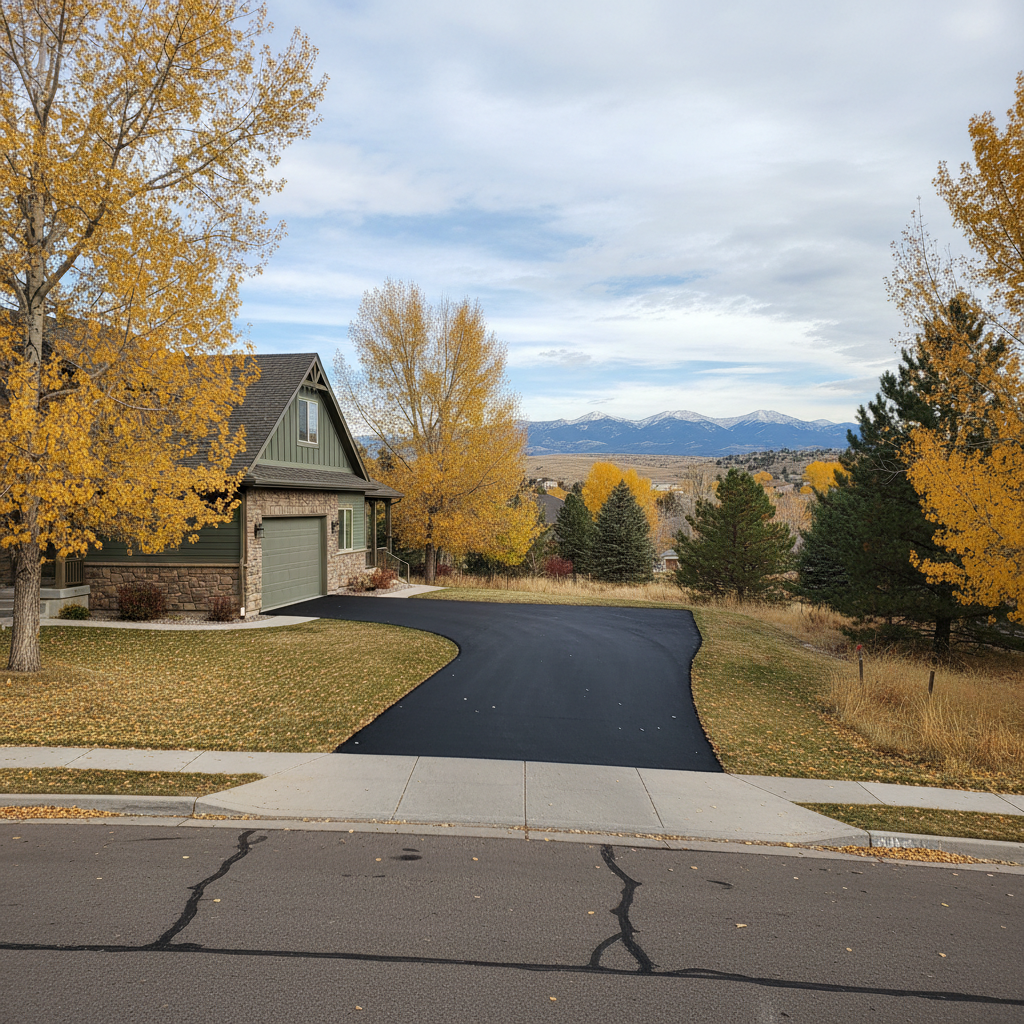
Ever wonder why your neighbor's new asphalt driveway looks great, but yours seems to be cracking faster than a cheap windshield in a hailstorm? A lot of it comes down to timing and understanding our unique Parker weather. It's not just about getting a good contractor; it's about knowing when the conditions are right for the job and how to keep it looking good once it's done.
When's the Best Time to Pave in Parker?
This is probably the most common question I get, and for good reason. You can't just lay asphalt whenever you feel like it and expect it to last. The short answer? Spring and Fall are your best bets here in Parker. Why?
Asphalt needs specific temperatures to cure properly. When we're laying down hot asphalt mix, it's gotta stay hot enough to compact correctly, but not so hot that it cools too fast or too slow. Think of it like baking a cake – you need the right oven temperature for it to come out right.
- Spring (Late April - Early June): This is prime time. The ground has thawed out completely, which is crucial. We don't want to pave over frozen or partially frozen ground; that's just asking for trouble with settling and cracking later on. The daytime temperatures are usually consistently above 50°F, and the nights aren't dipping too far below freezing. This allows the asphalt to cool and harden gradually, creating a stronger, more durable surface.
- Fall (September - October): Another excellent window. The summer heat has warmed the ground nicely, and we're still getting those consistent mild daytime temps. You want to get the job done before we start seeing those hard freezes and early snowfalls that can sneak up on us here in Douglas County. Paving too late in the fall means the asphalt might not cure fully before winter sets in, making it more susceptible to damage from freeze-thaw cycles.
What about summer? We can do it, but it's trickier. Those scorching July and August days, especially when it's hitting 90°F or more, can make the asphalt cool too quickly on the surface while staying too hot underneath. This can lead to issues with compaction and potentially a weaker surface. Plus, working in that kind of heat is just plain brutal for the crew, and we want to do our best work for you.
Weather Conditions That Affect the Job
Beyond just the season, specific weather conditions play a huge role. We're not just looking at the thermometer; we're checking the forecast like it's our job (because it is!).
- Temperature: I already hit on this, but it's worth reiterating. We need consistent temperatures, ideally between 50°F and 85°F, for the best results. Too cold, and the mix stiffens too fast. Too hot, and it can be too soft to compact properly.
- Moisture: This is a big one. We absolutely cannot pave on wet ground. If it's been raining heavily, or there's standing water, we have to wait. Moisture underneath the asphalt can lead to premature failure, potholes, and a whole host of headaches down the line. A little drizzle might be okay if the ground is dry, but anything more than that, and we're rescheduling.
- Wind: Believe it or not, strong winds can be a problem. They can accelerate the cooling of the asphalt mix, making it harder to work with and compact properly.
Sometimes, folks get frustrated when we have to push a job back because of weather. I get it, you want your driveway done! But trust me, it's always in your best interest to wait for the right conditions. A delay of a few days or a week means a driveway that lasts years longer.
Protecting Your Investment Year-Round
Once your new Done Right Asphalt driveway is in, you'll want to keep it looking good and performing well. Here's how you do it:
- Sealcoating: This is like sunscreen for your driveway. Here in Parker, with our intense sun and those crazy temperature swings, sealcoating every 2-3 years is critical. It protects against UV rays, water penetration, and the damaging effects of oil and gas spills. It also gives it that nice, dark, fresh look.
- Crack Sealing: As soon as you see a crack, get it sealed. Don't wait. Those small cracks are entry points for water, and once water gets under your asphalt and freezes (hello, Colorado winters!), it expands and makes those cracks much, much worse. This is how potholes start.
- Drainage: Make sure water is draining off your driveway, not sitting on it. If you've got low spots where puddles form, that's a problem. Good drainage is key to preventing water damage.
- Heavy Loads: Try not to park heavy RVs or equipment in the exact same spot for extended periods, especially during hot weather. Asphalt can soften slightly in extreme heat, and heavy, stationary loads can cause depressions.
- Snow Removal: Be careful with snow plows and shovels. Don't dig into the asphalt. A plastic-edged shovel is always a good idea.
Your driveway is a big part of your home's curb appeal and functionality. Taking a little care and understanding the unique challenges our Parker climate throws at us will help your asphalt last for decades. If you've got questions about your driveway or need an assessment, give us a call. We're always happy to help our neighbors out.