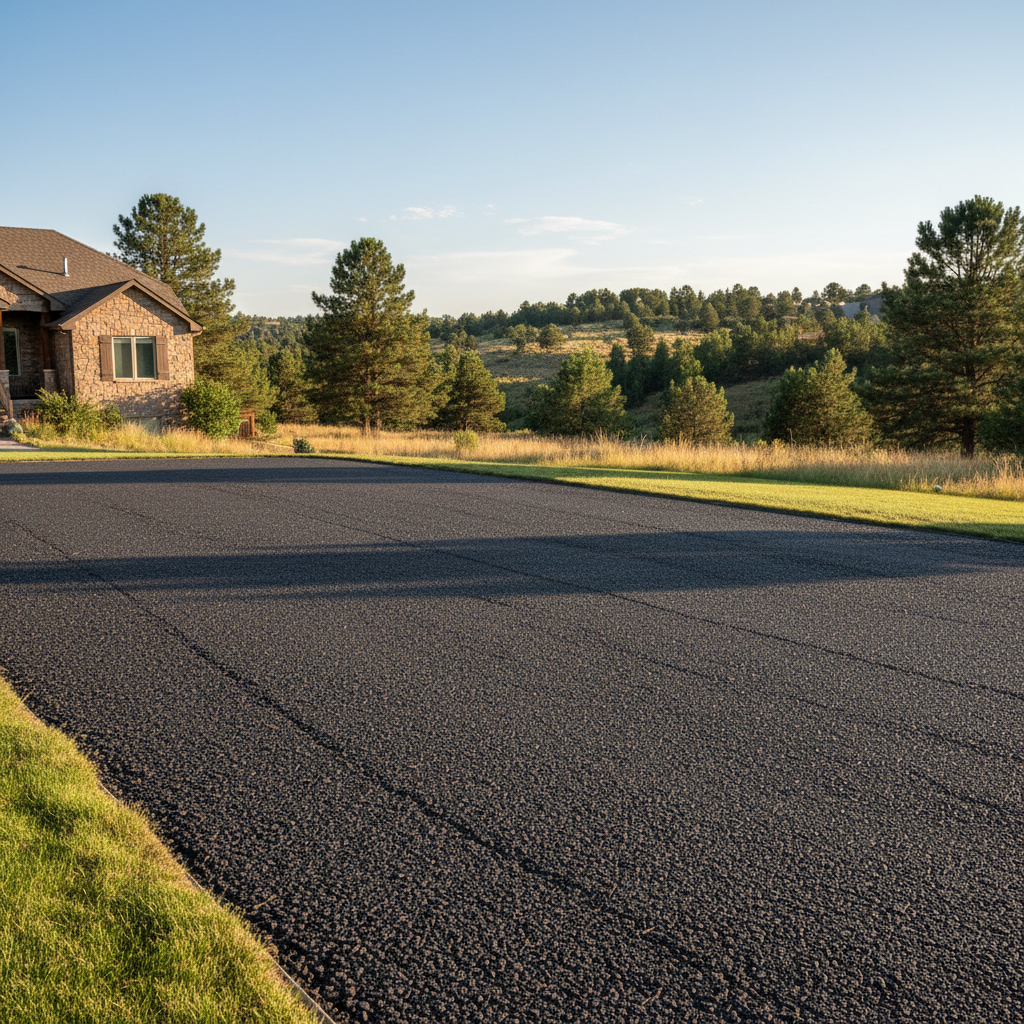
So, you've got a milled asphalt surface. Maybe it's a fresh milled and overlaid driveway, or perhaps it's a temporary solution that's doing its job for now. Either way, you want it to last, right? Especially with the kind of weather we get here in Parker – those brutal freeze-thaw cycles and intense summer sun can really do a number on pavement.
What's Milled Asphalt Anyway?
Just to be clear, when we talk about milled asphalt, we're usually talking about one of two things. Either it's a surface that's been ground down and then had a new layer of asphalt installed on top (an overlay), or it's a surface that's been milled and then compacted as a standalone surface, often called an asphalt millings driveway or road. The maintenance approach differs a bit depending on which one you have, but the core principles of protecting it are pretty similar.
Making Your Milled Surface Last
The key to longevity, especially with milled asphalt, is to be proactive. You can't just pave it and forget it, not around here. Here's what I tell folks:
Keep it Clean: Sounds simple, but it makes a huge difference. Leaves, dirt, gravel, and other debris hold moisture against the surface. That moisture is the enemy, especially when it freezes. Sweep or blow off your surface regularly. If you've got a lot of trees, like many homes in the Pinery or other wooded areas around Parker, this is even more critical.
Deal with Drainage: Water is the biggest destroyer of any pavement. Make sure water isn't pooling on your milled surface. If you see puddles forming after a rain or snowmelt, that's a problem. It means water is sitting there, soaking in, and eventually it's going to undermine the base. Sometimes it's as simple as clearing a clogged drain or making a small trench to divert flow.
Watch for Weeds: Weeds and grass love to grow through cracks and weak spots. They might look harmless, but their roots can cause significant damage, widening cracks and breaking up the surface. Pull them, spray them, just get rid of them.
Limit Heavy Loads: If you've got a standalone milled surface (not an overlay), it's generally not designed for constant heavy truck traffic. Occasional deliveries are fine, but repeated heavy loads can cause rutting and compaction issues over time. Park heavy equipment on a more stable surface if you can.
Regular Maintenance: Your Best Defense
Beyond the daily stuff, there are a few things you should be doing annually or semi-annually:
Inspect Regularly: Walk your surface at least twice a year – once in the spring after the snow melts and once in the fall before winter hits. Look for cracks, potholes, soft spots, or areas where the surface seems to be deteriorating. The sooner you catch a small problem, the easier and cheaper it is to fix.
Sealcoating (for Overlays): If your milled surface was followed by a new asphalt overlay, sealcoating is your best friend. It protects the asphalt from UV rays, water penetration, and chemicals. I usually recommend sealcoating a new overlay within the first year, and then every 2-3 years after that, depending on traffic and exposure. It's like sunscreen for your driveway.
Patching: Small cracks and potholes are inevitable, especially with our climate. Don't let them grow. Use cold patch asphalt for temporary fixes or hot mix asphalt for more permanent repairs. If you're not comfortable doing it yourself, call a pro. A small patch now saves you from a major repair later.
Re-compacting (for Millings Surfaces): For standalone millings driveways, you might need to re-compact the surface periodically, especially after a harsh winter. This helps keep the aggregate tightly bound and prevents loose material and rutting. A vibratory plate compactor can do the trick.
Warning Signs You Can't Ignore
Your milled surface will tell you when it's in trouble. You just have to know what to look for:
Alligator Cracking: This looks like a series of interconnected cracks, resembling an alligator's skin. It's a sign of base failure or severe fatigue in an asphalt overlay. This isn't a surface problem; it's a structural one.
Potholes: Obvious, right? But a pothole isn't just a hole; it means water has gotten under the surface and eroded the base material. Don't just fill it with gravel; it needs proper repair.
Rutting or Depressions: If you see tire tracks permanently pressed into the surface or low spots where water collects, it means the asphalt is deforming under load or the base isn't stable. This is common in areas with heavy traffic or poor drainage.
Edge Deterioration: The edges of your asphalt are often the weakest points. If they're crumbling, cracking, or breaking off, it means the support is gone, and water is getting in.
Loose Aggregate (for Millings): If your standalone millings surface is constantly kicking up loose gravel, or if you're seeing significant washouts, it might need more compaction or a binding agent.
When to Call a Professional
Look, I'm all for DIY when it makes sense, but some jobs are just better left to the experts. You should definitely call Done Right Asphalt if:
You're seeing widespread alligator cracking or significant base failure. These aren't simple patches; they require specialized equipment and knowledge.
You have large potholes that keep reappearing, even after you've tried to patch them. This signals a deeper issue with the sub-base.
Your drainage issues are beyond a simple fix. Sometimes you need grading, culverts, or even a French drain installed to properly manage water flow.
You're considering a major repair, like an extensive overlay or a full depth replacement. We've got the equipment and the crew to do it right, saving you headaches and money in the long run.
You just don't have the time or tools to do the maintenance yourself. We're here to help keep your property looking good and functioning safely.
Taking care of your milled asphalt surface isn't rocket science, but it does take a little consistent effort. A bit of attention now can save you a whole lot of money and frustration down the road. Just keep an eye on it, address small problems quickly, and don't hesitate to call us if things get out of hand. We're right here in Parker, and we know what works for our local conditions.