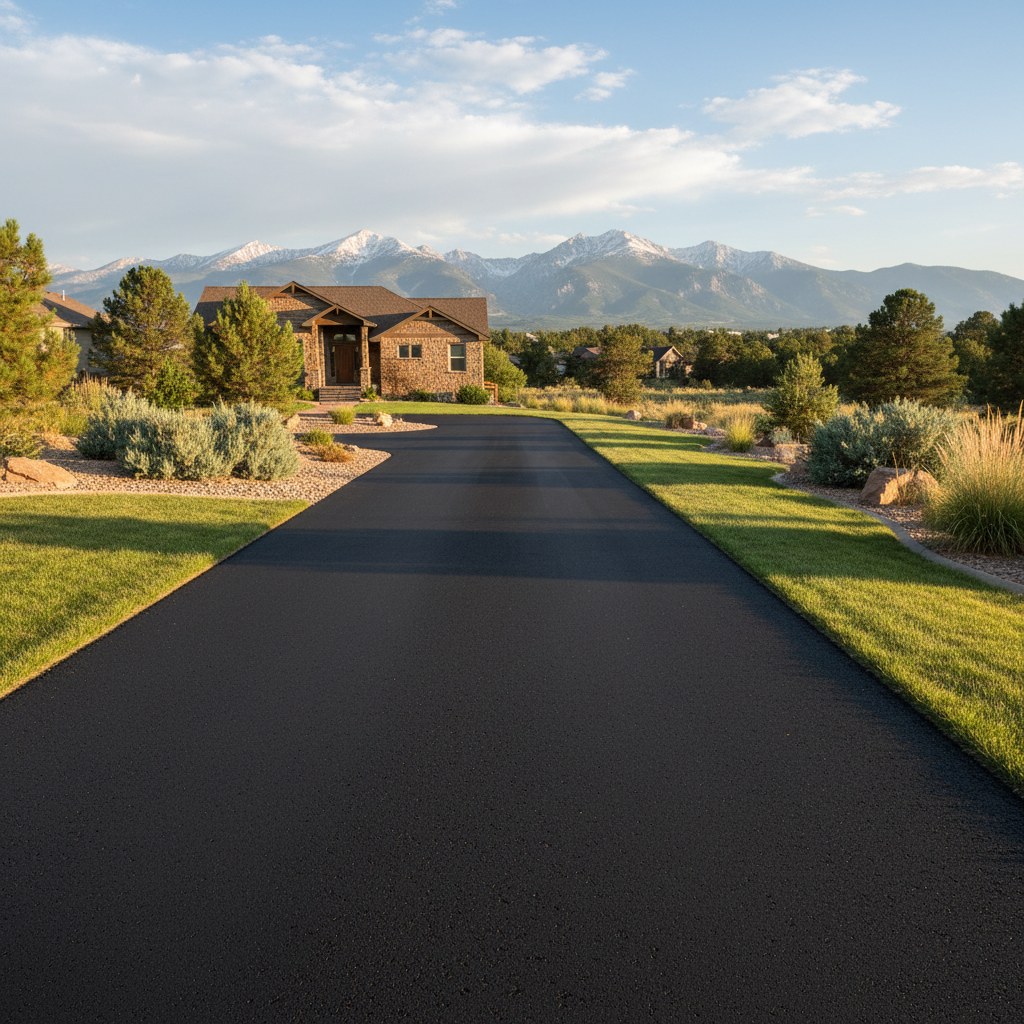
You just had a beautiful new asphalt driveway installed, or maybe you've got one that's still in pretty good shape. Either way, you want to keep it that way, right? Our climate here in Parker, with those brutal freeze-thaw cycles and intense sun, can really do a number on asphalt if you don't stay on top of things. It's not just about looks; it's about protecting your investment and making sure it lasts.
Extending Your Driveway's Lifespan in Colorado
Our weather is probably the biggest factor in how long your driveway will last. The hot summers and freezing winters, sometimes in the same week, cause asphalt to expand and contract. This stress leads to cracks. So, what can you do?
- Sealcoating is king: Think of sealcoating like sunscreen for your driveway. It protects against UV rays, water penetration, and even some oil spills. You'll want to get this done every 2-3 years, depending on traffic and how much sun your driveway gets. It's a relatively small expense that pays huge dividends.
- Drainage matters: Make sure water isn't pooling on your driveway. If you've got low spots, water will sit there, seep in, and freeze, causing potholes. Good drainage is crucial, especially when we get those heavy spring snow melts or summer downpours.
- Watch the weight: Try not to park heavy RVs or equipment on your asphalt for extended periods, especially in the same spot. Concentrated weight can cause depressions over time.
What Regular Maintenance Looks Like
This isn't rocket science, but a little consistent effort goes a long way. You don't need to be out there every day, but a quick look-over a few times a year is smart.
- Keep it clean: Sweep off dirt, leaves, and debris regularly. This prevents organic matter from breaking down and holding moisture against the asphalt.
- Deal with spills immediately: Oil, gas, or other automotive fluids can soften and dissolve asphalt. Blot them up quickly and clean the area with a mild detergent and water. Don't let them sit.
- Edge control: If you have grass or weeds growing along the edges, trim them back. Roots can undermine the asphalt, and vegetation holds moisture, which we know is bad news.
- Crack filling: This is probably the most important maintenance task you can do yourself. Small cracks are inevitable. Get a good quality crack filler from a hardware store and fill them as soon as you see them. This stops water from getting underneath and causing bigger problems like alligator cracking or potholes. Seriously, don't put this off.
Warning Signs You Shouldn't Ignore
Your driveway will tell you when it's in trouble, you just need to know what to look for. These aren't just cosmetic issues; they're indicators of deeper problems.
- Cracks expanding: A hairline crack is one thing, but if you notice cracks getting wider, longer, or forming a spiderweb pattern (alligator cracking), that's a red flag. Alligator cracking usually means the base layer is failing.
- Potholes: These are obvious. They start small, but our freeze-thaw cycles make them grow fast. Fill them or get them patched quickly.
- Fading and crumbling: If your asphalt is looking gray instead of black, and you see small bits of aggregate coming loose, it means the surface is oxidizing and losing its binder. This is where sealcoating comes in handy.
- Depressions or humps: Any unevenness in the surface can indicate a problem with the sub-base, which is a more serious issue. This could be due to soil movement, especially with the expansive clay soils we often have around areas like Anthology or Stonegate.
When to Call a Professional
Look, some things you can DIY, and some things you really shouldn't. Knowing when to pick up the phone can save you a lot of headache and money down the road.
- Extensive cracking: If you've got large areas of alligator cracking, multiple deep cracks, or cracks that are wider than half an inch, it's time for a pro. DIY crack filler won't cut it for long.
- Frequent potholes: If you're patching potholes every other month, you've got an underlying problem that needs professional assessment.
- Drainage issues: If water is consistently pooling on your driveway and not draining properly, you might need regrading or a more extensive solution.
- Major structural issues: Significant depressions, humps, or areas where the asphalt is crumbling extensively point to a failing base. This requires professional repair or even replacement.
- When in doubt: Honestly, if you're not sure, just call someone. A quick inspection from a local company like Done Right Asphalt can give you peace of mind and an honest assessment. We'd rather you call us for advice than wait until it's a full-blown replacement job.
Taking care of your driveway isn't just about curb appeal; it's about protecting your home's value. A little proactive maintenance goes a long, long way in our unique Colorado climate.