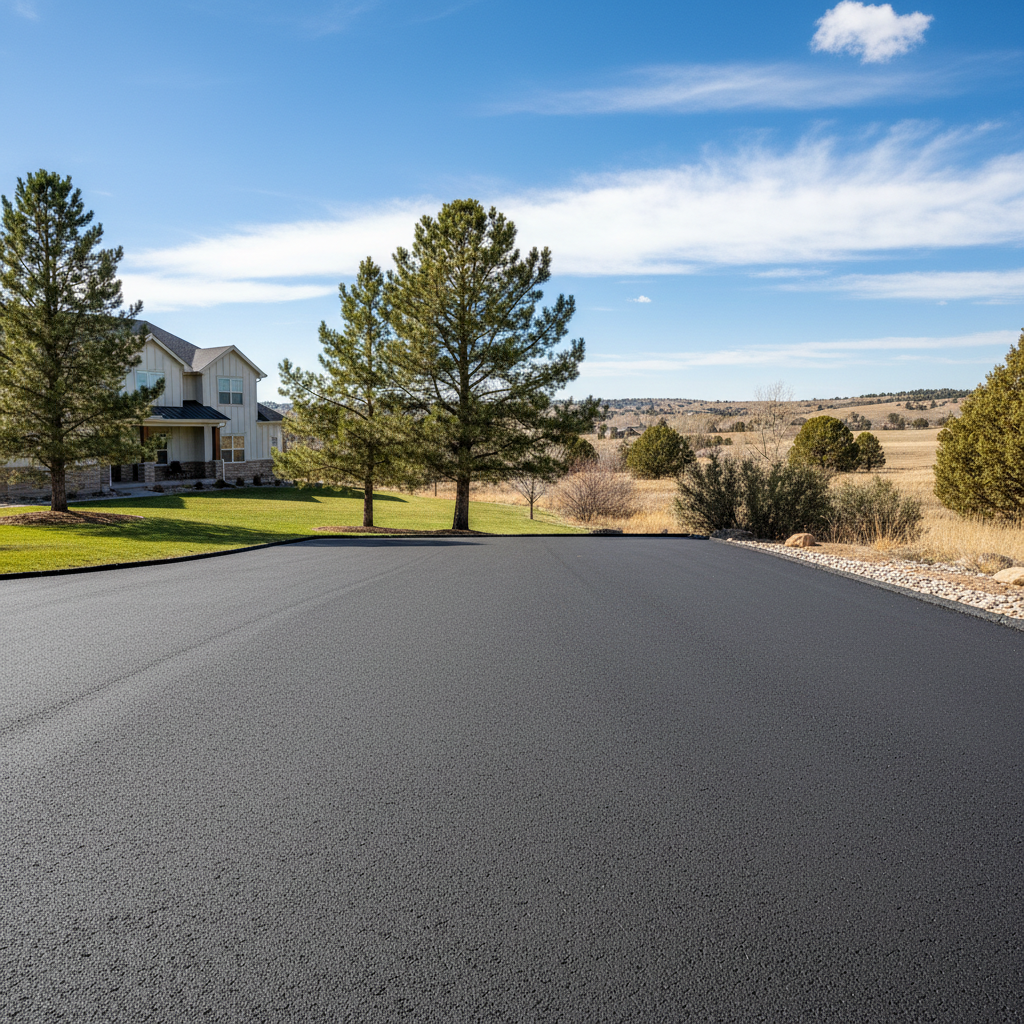
Your commercial parking lot isn't just a place for cars; it's a critical part of your business's curb appeal and safety. Here in Parker, CO, we know our weather can be brutal on asphalt. Those hot summer days followed by freezing winter nights and heavy snow? They're constantly working to break down your pavement. Ignoring it isn't an option if you want to avoid costly repairs down the line.
Extending Your Commercial Pavement's Life
You've invested good money in your parking lot, so let's talk about how to make it last. The biggest thing you can do is be proactive. Think of it like maintaining your business vehicles — you don't wait for the engine to seize up before you change the oil, right? Same goes for your asphalt.
- Proper Drainage is King: Water is asphalt's worst enemy. Make sure your lot drains properly. If you see standing water after a rain or snowmelt, especially in low spots or near buildings, that's a red flag. Water seeps into cracks, freezes, expands, and then you've got potholes. This is especially true with our clay soils around Parker; poor drainage can really undermine the sub-base.
- Manage Heavy Loads: If you have delivery trucks or heavy equipment regularly using your lot, make sure the pavement was designed for that. If not, consider designated routes or reinforced areas. Concentrated heavy loads in the same spot will accelerate wear.
- Regular Sweeping: Sounds simple, but sweeping removes debris, dirt, and gravel that can grind down your surface over time. It also keeps your lot looking sharp.
What Regular Maintenance Looks Like
This isn't rocket science, but it does require consistency. A good maintenance plan will save you a ton of headaches and money.
- Inspections: Walk your lot at least once a month. Seriously. Look for new cracks, potholes, or areas where water is pooling. After a big snowmelt or heavy rain is a great time to do this.
- Crack Sealing: This is probably the most important thing you can do. As soon as you see a crack, get it sealed. Don't wait. A small crack lets water in, and once water gets under the asphalt, especially with our freeze-thaw cycles, it's game over for that section. We're talking alligator cracking and eventual potholes.
- Sealcoating: Every 2-3 years, depending on traffic and how much sun your lot gets, you should be sealcoating. This isn't just for looks; it protects the asphalt binder from UV rays and oxidation, which makes the pavement brittle. It also creates a barrier against water and chemicals like oil and gas.
- Line Striping: Beyond just aesthetics, clear line striping is crucial for safety and traffic flow. Re-stripe when faded, usually after sealcoating.
Warning Signs You Can't Ignore
Your asphalt will tell you when it's in trouble, you just need to know what to look for. These are the signs that mean you need to act, and fast:
- Alligator Cracking: This looks like a series of interconnected cracks, much like an alligator's skin. It means the base layer is failing, usually due to water infiltration and heavy traffic. This isn't a surface problem; it's structural.
- Potholes: Obvious, right? But a pothole isn't just a hole; it's a symptom of a deeper problem. Water has gotten under the surface, eroded the base, and the top layer has collapsed.
- Standing Water: We already talked about this, but it bears repeating. Any area where water consistently sits for more than a few hours after a rain is a problem waiting to happen.
- Fading and Discoloration: While sealcoating can fix this, significant fading indicates the asphalt is oxidizing and becoming brittle. It's losing its flexibility and protective qualities.
- Raveling: This is when the aggregate (the small stones) starts to come loose from the asphalt binder, making the surface rough and uneven. It's a sign of significant wear and oxidation.
When to Call a Professional
Look, some things you can handle yourself, but for commercial asphalt, it's almost always best to bring in the pros. You've got a business to run, and we've got the equipment and expertise to do it right.
You should definitely call us at Done Right Asphalt if you see:
- Any significant alligator cracking or large areas of potholes. These usually require milling out the old pavement and repaving, or at least full-depth patching.
- Drainage issues that aren't easily fixed with a shovel. We can assess the grade and recommend solutions.
- If you're unsure about the best course of action after an inspection. We can give you an honest assessment of your lot's condition and what it needs.
- When it's time for sealcoating. This isn't a DIY job for a commercial lot; you need the right materials and application techniques to ensure longevity.
- Any time you're considering a major repair or a complete overlay. Getting an expert opinion can save you from making a costly mistake.
Don't wait until your parking lot is a minefield of potholes. A little proactive maintenance goes a long way in protecting your investment and keeping your Parker business looking its best.